Redesign Your Space: Top Home Remodeling Tips From Expert Builders
Home remodeling can be a complicated undertaking, often filled with challenges. Expert builders stress the importance of establishing clear objectives and a practical financial plan. Choosing the right experts is vital for executing a vision successfully. Additionally, design choices should prioritize practicality and layout. With these basic components in mind, one can move through the renovation process more easily. But what specific strategies can ensure a successful makeover?
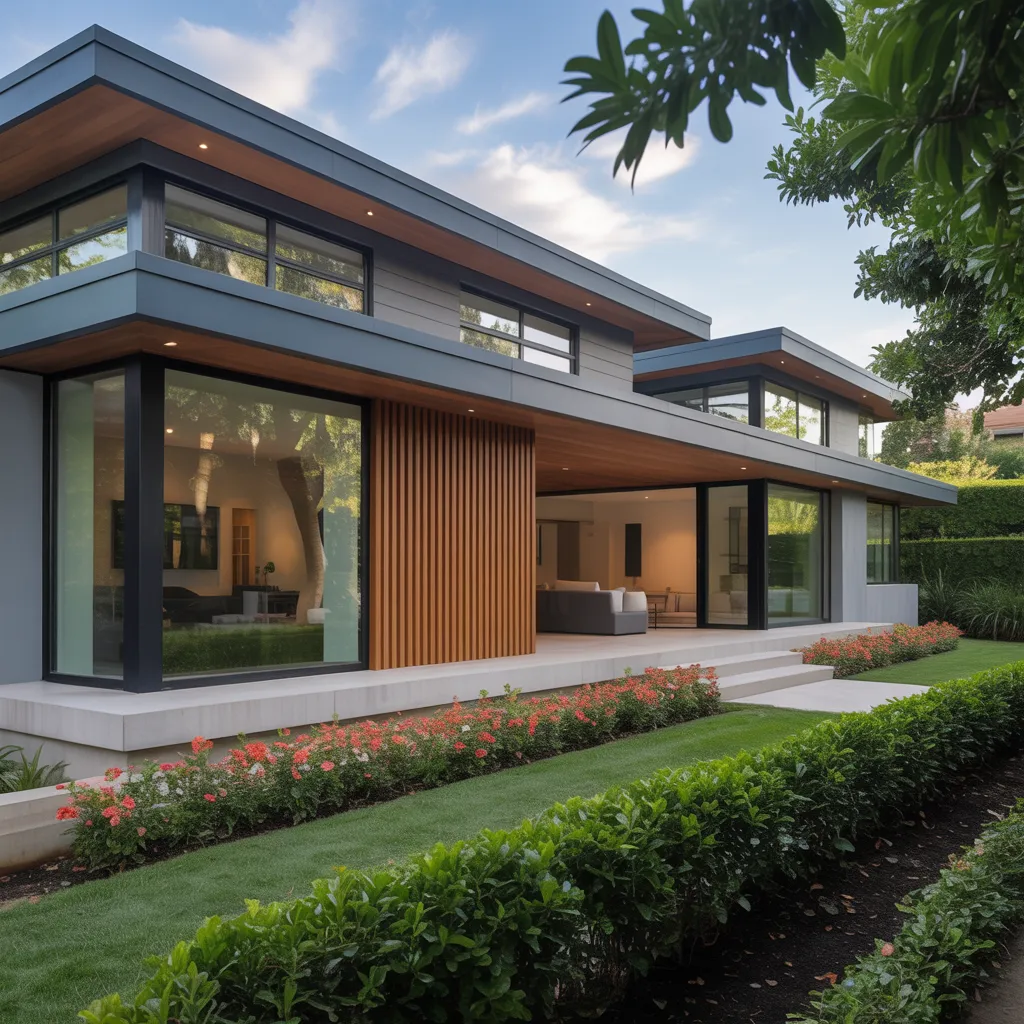
Establish Your Targets and Priorities
Establishing goals and priorities is indispensable in the home remodeling process. This foundational phase formulates a well-defined outlook for the work, guiding all ensuing decisions. Homeowners must assess their needs, reflecting on factors such as functionality, artistic merit, and lasting importance. Identifying specific objectives, such as enhancing space for family gatherings or enhancing energy savings, permits for a focused approach.
Prioritization is equally important. It helps distinguish between must-have features and those that can be modified or delayed. By categorizing desires based on importance, homeowners can guarantee that their renovation projects align with their overall lifestyle and aspirations.
Furthermore, well-defined objectives can enhance quality dialogue with contractors and designers, making certain that all parties are on the same page. Ultimately, strategic preparation at this stage establishes a more seamless renovation journey, limiting potential setbacks and supporting a successful transformation of the living space.
Create a Sensible Budget
Establishing a realistic financial plan is an essential component of any home renovation undertaking. It acts as a cornerstone for making decisions and helps prevent overspending. Homeowners should start by evaluating their monetary circumstances, including funds and potential funding options. This assessment allows them to create a budget that matches their goals and priorities.

Next, it is critical to formulate a comprehensive breakdown of outlays, covering materials, labor, permits, and contingent expenses. Industry experts advise setting aside an additional 10-20% of the budget for unexpected circumstances, given that unanticipated issues can manifest during remodeling.
Additionally, homeowners should assess average costs for their specific projects to confirm their budget is in line with market rates. By upholding openness and responsiveness within the budget, property owners can effectively manage their remodeling projects while achieving their desired outcomes. Formulating a achievable financial plan finally generates a more pleasant renovation experience and elevates overall satisfaction.
Determine the Optimal Team Members
Picking the right professionals is essential for the success of any home refurbishment project. Homeowners should undertake by studying local contractors, architects, and designers to find those with reputable reputations and relevant experience. Checking reviews, portfolios, and references can give insight into their work caliber and consistency.
It's also vital to ensure that chosen professionals are adequately licensed and insured, which safeguards homeowners from potential legal risks. Performing thorough interviews will help assess their communication approach and capacity to match with the homeowner's objectives.
Creating clear expectations regarding timelines, budgets, and deliverables is paramount to circumvent disputes. Homeowners should seek contractors who are not only proficient but also prove a commitment to collaboration and honesty. Ultimately, the right team will not only execute the vision effectively but also enhance the remodeling experience, cultivating confidence throughout the process.
Structure for Functionality and Flow
In home renovation, considering movement and layout is crucial for creating a harmonious living space. Effective space usage maximizes every square foot, while ensuring easy navigation enhances daily activities. Together, these elements create a welcoming and orderly environment.
Maximize Space Optimization
When starting a home remodeling project, emphasizing space efficiency can greatly improve both practicality and flow. Expert builders stress the importance of assessing each area to determine its primary purpose. This includes embracing multifunctional furniture, such as collapsible tables or built-in storage, which can greatly maximize limited spaces. Additionally, open floor layouts can create a smooth shift between rooms, allowing for a more roomy feel. Thoughtful positioning of furniture can also improve the overall layout, ensuring that each room fulfills its planned function without overcrowding. By carefully organizing the flow of movement and access, homeowners can build a harmonious environment that optimizes the use of space while maintaining a pleasing aesthetic. Ultimately, thoughtful planning can convert any area into a more functional living space.
Facilitate Smooth Browsing
Effective movement within a home is crucial for enhancing everyday performance and flow. When designing a remodel, it is important to take into account the layout and ease of access of spaces. Open floor plans often enable smoother traffic, allowing occupants to transition between rooms with ease. Strategic placement of doorways, furniture, and fixtures can further improve circulation, reducing obstacles. Designers suggest maintaining clear pathways, ideally at least 36 inches wide, to guarantee comfortable passage for all users, including those with mobility challenges. Additionally, thoughtful division of spaces—such as separating living areas from workspaces—can boost usability. By emphasizing ease of movement, homeowners can design a harmonious environment that supports daily activities and promotes a sense of order throughout the space.
Expand Your Living Area Using Smart Design
Effective design plays a essential role in expanding space within a property, as it allows for both functionality and visual appeal to coexist effortlessly. Expert builders recommend applying open floor plans to create a feeling of roominess, eliminating unnecessary barriers between rooms. Adaptable furniture, such as a convertible bed or a storage unit, can also help to maximize limited areas, providing utility without sacrificing style.
Incorporating tall storage options is another smart approach, as shelves and cabinets that reach the ceiling draw the eye upward, improving the sense of height. Additionally, deliberate mirror placement can reflect light and produce a sense of depth, making rooms appear larger. Natural light is crucial; large windows or skylights can illuminate areas while improving the overall atmosphere. Thoughtful layout and design considerations ultimately transform cramped areas into welcoming, practical spaces that cater to modern living needs.|Using vertical storage solutions represents another effective strategy, as cupboards and shelving that extend upward pull your focus up, improving the sense of height. Furthermore, deliberate mirror placement can reflect illumination and produce a sense of depth, making areas appear more spacious. Daylight is important; expansive windows or skylights can brighten environments while enhancing the ambient quality. Strategic layout and design choices ultimately convert confined areas into welcoming, practical areas that support contemporary living standards.|Implementing vertical storage solutions serves as another useful tactic, as storage units that extend upward attract the eye upward, enhancing the sense of height. In addition, intentional use of mirrors can spread illumination and establish a sense of spaciousness, expanding how spaces feel. Sunlight proves critical; generous windows or roof apertures can light up interiors while enriching the overall feel. Deliberate design and layout planning ultimately reshape constricted areas into delightful, operational environments that fulfill contemporary needs.|Adopting tall storage arrangements constitutes another successful method, as storage units and shelves that rise to the ceiling elevate visual focus, maximizing the sense of height. Concurrently, careful mirror positioning can scatter light throughout and fashion a sense of depth, amplifying how expansive areas appear. Ambient light is paramount; substantial windows or skylights can enhance interior brightness while enriching the spatial atmosphere. Strategic layout and design approaches fundamentally revolutionize restricted areas into appealing, functional settings that serve modern dwelling needs.
Choose Quality Resources and Surfaces
Selecting quality materials and finishing touches is essential in home remodeling, as it significantly affects both longevity and visual beauty. Professional builders recommend choosing products that not only improve the aesthetic quality of the space but also withstand the test of time. For instance, hardwood flooring offers longevity and character, while premium-quality countertops elevate kitchen aesthetics and functionality.
Additionally, elements including paint and fixtures should be picked carefully. Opting for paint with excellent durability can reduce wear and tear, while quality fixtures can offer a polished appearance that enhances the overall design. Furthermore, it is prudent to investigate sustainable alternatives that support a healthier living environment. Putting resources into quality materials and finishes ultimately proves beneficial, as it can boost property value and minimize upkeep costs over time. By prioritizing these aspects, homeowners can establish a durable and beautiful space that fulfills their needs.
Don't Forget Ambient lighting
Lighting serves as a crucial element in home remodeling, often affecting both aesthetics and functionality. Employing varied lighting approaches can enhance the ambiance of a space, while maximizing daylight can make rooms feel more airy and appealing. These elements are essential for creating a thoughtfully planned space that meets both practical and emotional needs.
Layered Illumination Approaches
While many residents concentrate on visual appeal and practicality during a remodel, they often overlook the essential role that multi-level illumination plays in creating a comfortable atmosphere. Professional builders encourage including three kinds of lighting: ambient, task, and accent. Ambient lighting produces uniform illumination, laying down a base layer in every room. Lighting meant for tasks, like under-cabinet lights or reading lamps, supplies focused light to support specific duties. Accent lighting serves to highlight architectural elements or artwork, offering depth and visual interest. Homeowners can create a balanced and adaptable atmosphere by combining these lighting methods. Adjustable fixtures, dimmers, and smart lighting systems offer customization options, ensuring the space adjusts to differing moods and settings. Such a careful lighting strategy improves both the usability and atmosphere of the space.
Boosting Natural Light Efficiency
Natural sunlight plays an essential role in improving the overall feel of a space, as it not only illuminates rooms but also supports the health and well-being of its occupants. Expert builders recommend maximizing natural light through strategic window placement, ensuring that spaces receive ample sunlight throughout the day. Incorporating larger windows or glass doors can create a smooth connection with the outdoors, further promoting a sense of openness. Additionally, using shiny surfaces, such as mirrors and light-colored walls, can enhance the effects of natural light. Consider the orientation of the linked article home, as well; south-facing windows typically receive more sunlight. Finally, maintaining unobstructed views outside will enhance the natural light experience, making spaces feel more welcoming and vibrant.
Stay Adaptable and Adaptable During the Process
The home remodeling expedition often presents unforeseen hurdles, compelling homeowners to remain flexible and adaptable. Changes can surface due to budget constraints, unexpected structural issues, or delays in material delivery. Such instances can be frustrating, but maintaining a positive mindset allows for imaginative fixes and alternative approaches.
Homeowners ought to accept the chance of reexamining design plans or altering timelines. Effective dialogue with contractors is important; expressing issues can lead to teamwork and solutions. Furthermore, remaining open-minded to input from builders and designers can boost the overall performance of the project.
Being flexible means showing willingness to make concessions on certain aspects, which can result in finding unexpected benefits. In the end, responding to shifts can produce a more gratifying and productive remodeling experience, altering not just the space but also the homeowner's outlook on the process itself.
Generally Asked Queries
What Duration Can You Expect for a Standard Home Remodeling Project?
A standard home renovation project can take anywhere from a few weeks to several months, reliant on the work scope, size of your home, and contractor availability. Unexpected delays and planning requirements may extend timelines.
What Permits Are Required for Home Remodeling?
Home renovation typically requires licenses for structural modifications, electrical work, plumbing alterations, and sometimes for cosmetic updates. Particular regulations differ by locality, so contacting local building authorities is vital for maintaining compliance with regulations.
How Can I Enhance My Home's Resale Value by Remodeling?
To boost a home's property worth through renovation, one should emphasize upgraded kitchens, bathroom improvements, energy-efficient enhancements, and enhanced curb appeal, as these projects typically produce considerable returns in the real estate market.
What Are Typical Errors to Avoid During Remodeling?
Typical problems during renovation include budgeting incorrectly, avoiding comprehensive planning, overlooking permits, opting for fleeting styles versus lasting designs, and failing to communicate effectively with contractors. Each misstep can lead to expensive holdups and unsatisfactory outcomes.
How Might I Keep Within Budget While Dealing With Sudden Expenses?
To stay within budget during unexpected costs, one should focus on a safety net, meticulously track expenses, modify project scope if necessary, speak frankly with contractors, and examine alternative materials to lessen financial strain.